
There is usually a point every fall when Dallas dog parents realize something has changed.
The morning walk lasts a little longer. Your dog has more energy halfway around the block. The afternoon no longer feels like a negotiation with the sun, and everyone is suddenly much more interested in spending time outside.
After months of adjusting activity around intense summer heat, cooler October weather can feel like an invitation to get moving again.
For dogs, it can be a great opportunity to increase exercise, spend more time exploring, and settle back into longer outdoor routines. But if your dog’s summer consisted mostly of short walks, quick bathroom breaks, and indoor activity, it is worth easing back into things rather than jumping straight into the longest route you used last spring.
Your Dog May Feel Ready Before Their Body Is
Cool weather can make dogs noticeably more energetic.
A dog who spent August moving slowly through a short morning walk may suddenly seem ready to cover the entire neighborhood once temperatures drop.
That enthusiasm is a good thing, but stamina does not always return as quickly as excitement does.
If activity decreased significantly during the summer, begin by adding a little more distance or time rather than doubling the length of the walk immediately.
Pay attention to how your dog feels afterward too.
A walk may seem easy in the moment, but stiffness, unusual fatigue, or reluctance to exercise later can be signs that the increase was a little too ambitious.
The goal is to rebuild endurance gradually enough that walks remain enjoyable.
Do Not Measure Every Walk by Distance
Fall is a great time to spend longer outside, but mileage is only one way to measure a worthwhile walk.
Dogs get a tremendous amount from exploring their environment through scent.
Cooler temperatures, fallen leaves, wildlife activity, damp soil, and increased time outdoors can make familiar Dallas neighborhoods feel completely new from a dog’s perspective.
Letting your dog pause and investigate those changes can provide meaningful mental stimulation alongside physical exercise.
A 30-minute walk that combines movement and plenty of sniffing may be more satisfying than rushing through the same amount of time just to cover another mile.
If you have read our article on why sniffing is such valuable exercise for dogs, fall is an ideal season to put that idea into practice.
Pay Attention to Your Dog’s Pace
Your dog’s walking pace can tell you a lot about how the new activity level is feeling.
A dog who starts enthusiastically and maintains a comfortable rhythm is probably handling the outing well.
If they begin lagging, repeatedly stopping for reasons unrelated to sniffing, or seem less interested in continuing, it may be time to shorten the route.
Older dogs deserve even more flexibility.
Senior pets may love the cooler temperatures while still needing slower walks, gentler routes, or more breaks. A crisp morning does not erase arthritis, reduced stamina, or mobility changes.
Younger dogs may have the opposite problem. Cooler weather can make them feel almost endlessly energetic, which means the person holding the leash sometimes needs to decide when enough is enough.
The best walk follows the dog in front of you rather than a preset distance.
Fall Brings New Things Underfoot
The end of summer does not mean you can stop paying attention to your dog’s paws.
Fallen leaves can hide sticks, sharp debris, acorns, burrs, or other objects that may become uncomfortable between the toes.
After walks, especially through grassy or heavily landscaped areas, take a quick look at paws and lower legs.
If your dog has a longer coat, brushing out leaves and debris can also help prevent tangles and irritation.
Texas flea and tick activity does not necessarily disappear just because the weather becomes more comfortable either. Continue following the prevention plan recommended for your pet rather than assuming cooler weather means pests are gone.
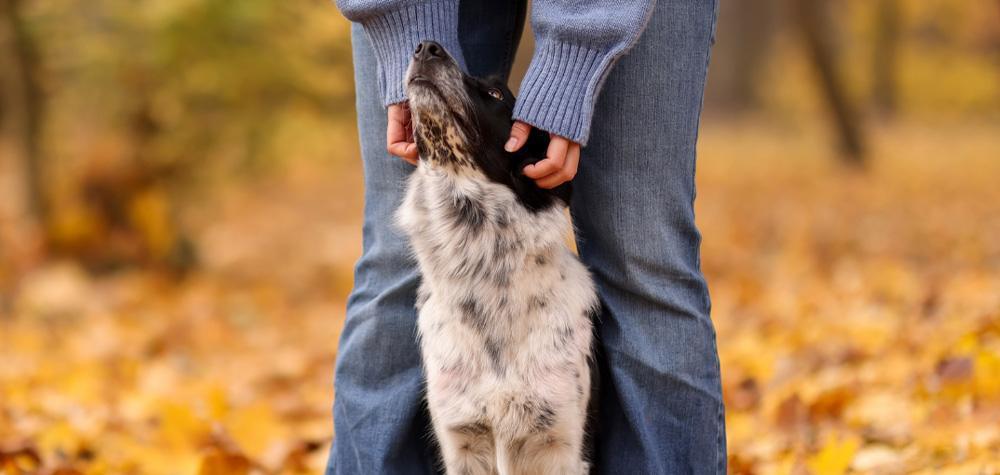
Cooler Weather May Change When You Walk
During the height of summer, Dallas dog walks often get pushed to early morning or later evening simply because those are the safest times to be outside.
Fall gives families more flexibility.
A midday walk may once again become comfortable, and longer afternoon outings can be realistic on mild days.
That can be especially helpful for dogs who spend much of the workday home alone. Instead of a quick midday bathroom break during peak heat, there may be room for more movement, exploration, and one-on-one interaction.
Still, Dallas fall weather can be unpredictable. A cool morning does not guarantee a cool afternoon, so it is always worth checking conditions before heading out.
Bring Some Structure Back to the Walk
If summer changed your dog’s walking routine considerably, fall can be a good opportunity to reintroduce some consistency.
That does not mean every walk needs to become a formal training session.
Simple habits can make outings smoother:
- Waiting calmly before going through the door
- Walking safely through intersections
- Responding when attention is needed
- Allowing structured sniff breaks
- Practicing comfortable leash manners
For dogs who became a little rusty after months of abbreviated summer walks, repetition helps those habits return.
If pulling or leash excitement becomes more noticeable when cooler weather arrives, that is not particularly surprising. Your dog may simply be excited to be outside longer again.
Patience and consistency usually matter more than trying to correct everything during one walk.
Use Fall to Add Variety
Another advantage of cooler weather is the opportunity to vary your routine.
Instead of always walking the exact same loop, you might occasionally take a different residential route, spend extra time in a quiet park, or let your dog explore a neighborhood they do not visit as often.
Variety introduces new smells, sights, and experiences without requiring intense exercise.
That can be especially valuable for dogs who need mental stimulation as much as physical movement.
Not every walk has to be an adventure, though. Familiar routes still have value, and dogs often enjoy knowing what comes next.
A good weekly routine can include both.
Do Not Forget About Recovery
One of the easiest mistakes to make once the weather improves is assuming every day should become a big exercise day.
Dogs need recovery too.
If your dog has a longer outing, a more active weekend, or extra playtime, the following day may call for something more relaxed.
This is particularly important for senior dogs, dogs returning to activity after an injury, and pets whose fitness level dropped during the summer.
Being active does not mean constantly pushing for more.
A balanced routine includes movement, mental enrichment, and enough rest for your dog to recover comfortably.
Fall Fitness Should Fit the Individual Dog
There is no single ideal autumn walking plan.
A young, energetic dog may thrive with longer walks and more frequent activity once the heat breaks. A lower-energy adult may be perfectly happy with a consistent 30-minute outing. A senior dog might prefer several shorter walks with plenty of time to sniff.
Age, breed, health, personality, and normal activity level all matter.
That is one reason DTX Pets offers different walk lengths and recurring options rather than treating every dog the same.
As the weather becomes more comfortable, our walkers can adjust pace and activity to match the pet, whether that means a brisk outing for an energetic dog or a slower neighborhood stroll for a senior who simply wants to enjoy the cooler air.
For families whose schedules make regular daytime walks difficult, fall can also be an ideal time to establish a consistent walking routine before the holidays make calendars even busier.
Enjoy the Season Without Rushing It
One of the best things about fall in Dallas is finally having more freedom to enjoy being outside with your dog.
There is no need to turn that into a fitness challenge.
Build activity gradually, let your dog explore, watch their pace, and pay attention to how they feel after the walk. The goal is not to make up for every hot summer afternoon you spent indoors.
It is to help your dog rediscover how enjoyable their daily walks can be when the weather finally cooperates.
And if your dog could benefit from regular walks while you are at work or your own fall schedule gets busy, DTX Pets can help create a walking routine that fits their energy level, personality, and needs.